
Ordinary & Extraordinary: One Year of the Tunisia Project
Situated in North Africa along the Mediterranean coast, Tunisia is a nation of rich history, diverse culture, and strategic significance for Gospel advance. Among its more than 12 million people, fewer than 0.1% identify as followers of Jesus, and in many regions, access to the Gospel is limited or entirely absent. One year ago, in response to this great need, we launched The Tunisia Project, helping to fund Frontline team members and trusted local partners as they work to establish a Gospel presence in each of the country’s 24 regions by traveling into these remote areas, sharing the Good News, and strengthening small but growing communities of believers. Recently, I had the opportunity to visit one of these locations and witness what God is doing on the ground.
Ben Ebner
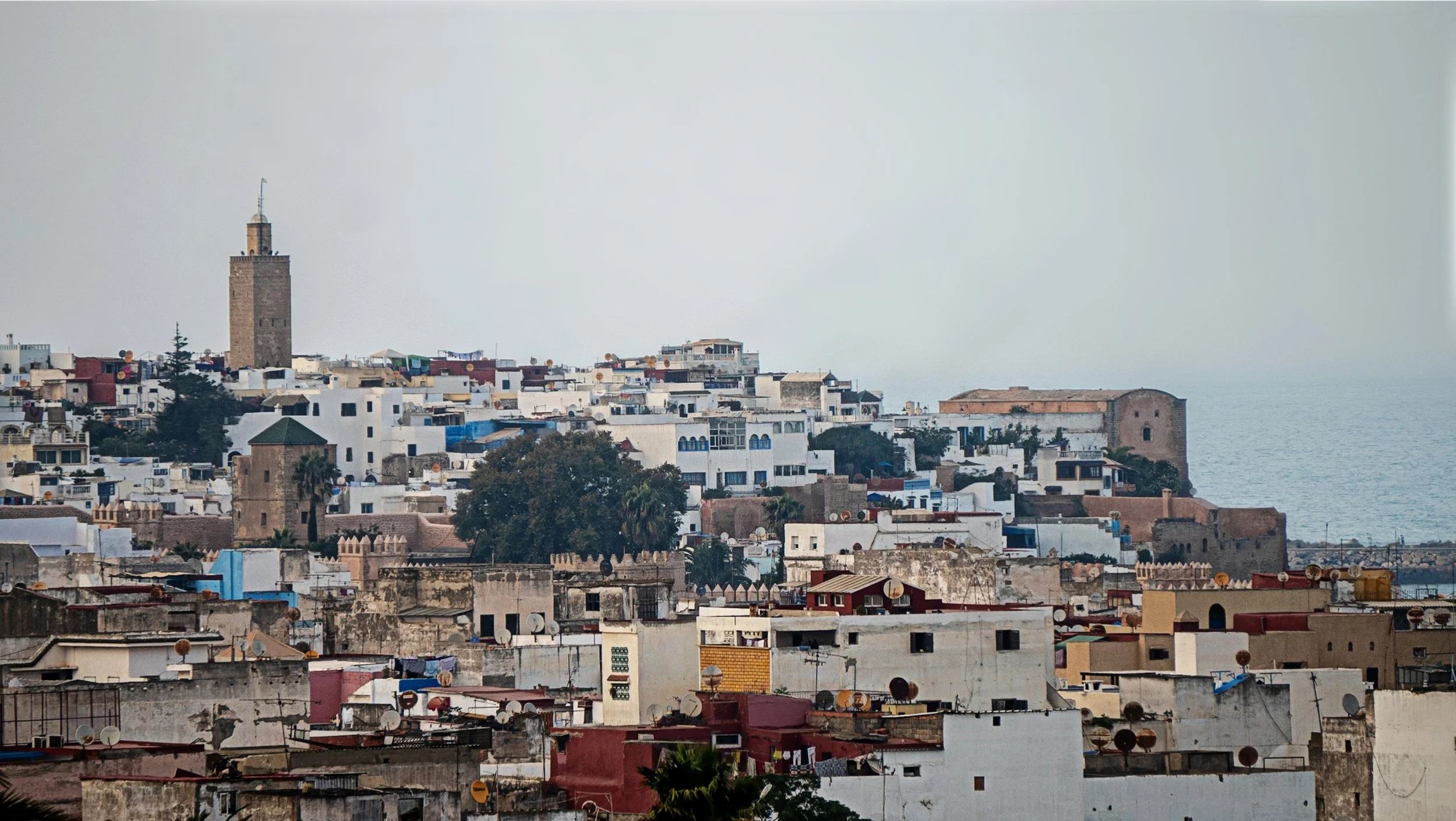
Casey eased the car into traffic as we began our journey across the country. The capital was unusually calm that morning, and we hoped the gridlock would thin further as we left the city behind and found the open road. We were heading south. As the miles unfolded, we picked up speed, with olive groves and a United Colors of Benetton factory slipping past outside my window. We traced the coastline, green hills stretching into the distance, the Mediterranean never far from view. This is an ancient land, marked by deep Christian roots, where Augustine of Hippo once preached and Tertullian gave voice to the witness of martyrs like Perpetua and Felicity. And yet, the story is not only behind us. Even now, new chapters of faith are being written here, and I was eager to see them with my own eyes.
After about three hours on the road, Casey pulled up beside a small coffee shop. Through the window, he spotted the friend we had come to meet. A quick message on WhatsApp, and Habib stepped out to greet us, coffee in hand. We set off together toward the old city, hoping to find a quiet place away from listening ears where we could speak freely about the work God is doing here, work Habib has given his life to.
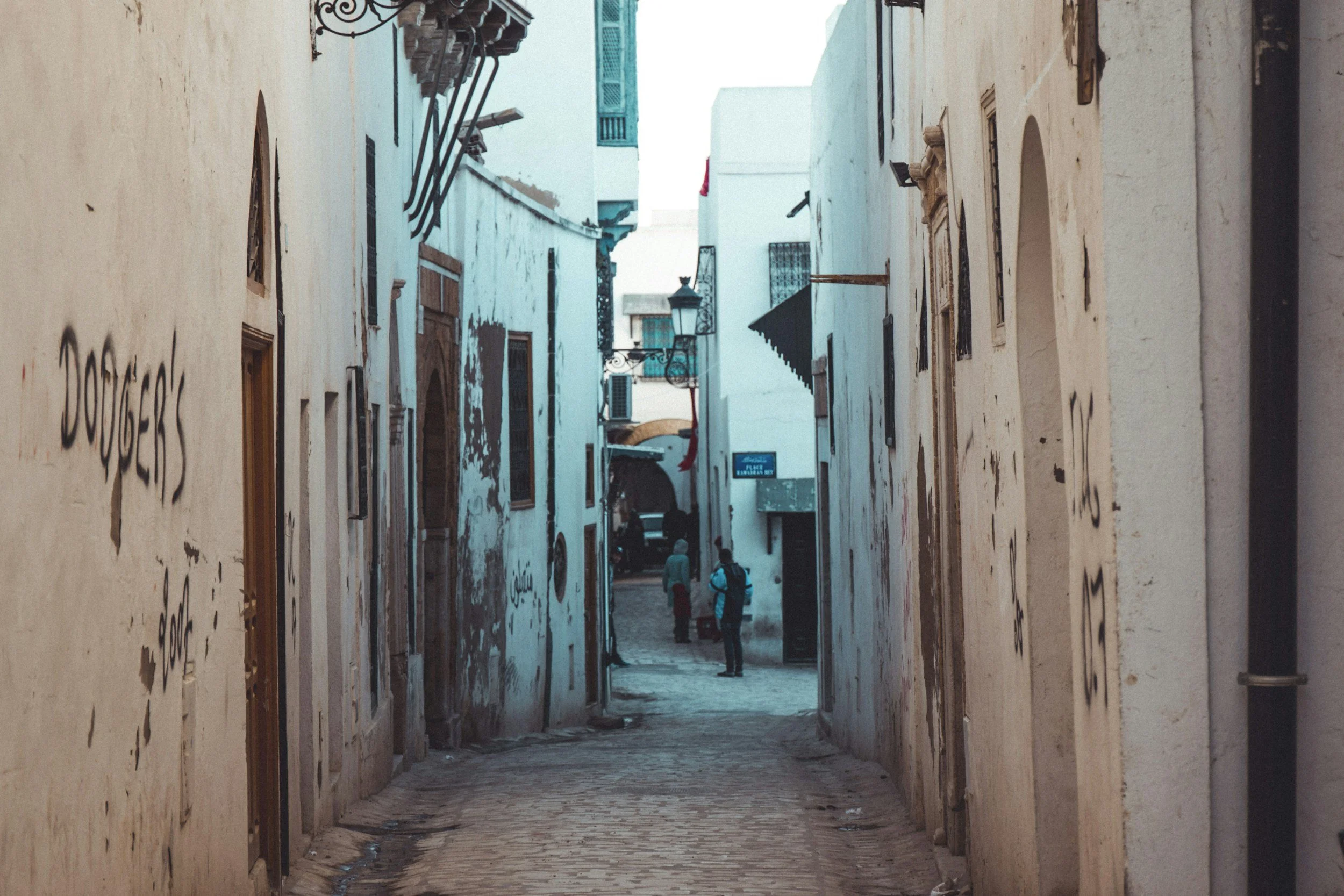
We slipped through the north gate of the ancient walled city and wound our way down narrow corridors. To an outsider, it felt like a maze, but Habib knew exactly where he was going. Casey and I did our best to keep up. After a few minutes, the maze opened into a courtyard, where a small restaurant with just the right corner for conversation waited for us.
As we shared a meal of grilled fish, Habib began to tell us about the work unfolding across this region of Tunisia. Eight hours further south by bus, there is a man who does not yet know Jesus but has begun asking questions. Nearly every week, Habib makes the journey to read Scripture with him and respond to those questions. We prayed for faith and fruit. Two hours to the west, a small group of three or four believers gathers, and Habib meets with them regularly for encouragement and Bible study. A similar group meets here in his hometown. And several hours away, another seeker is asking to meet more often. Habib longs to go, but the demands of work have made it difficult. We prayed for time, and for someone nearby who knows Jesus to step in and walk with this man.
Habib told these stories as if they were ordinary. As if it were nothing to board a crowded bus with no air conditioning and travel eight hours one way to share the Gospel. And somehow, as he spoke, it did begin to feel that way. As if knowing the greatest News in the world simply compels you to make it known. As if eight hours in the heat is a small thing compared to one lost sheep being found. In this way, Habib reflects the heart of the Good Shepherd. No distance is too far when even one sheep is still missing.
As we finished our meal, Casey and Habib slipped into Arabic. This was natural, because, though Habib speaks excellent English, carrying a long conversation in a second language is taxing, and Casey’s Arabic is nearly that of a local. From Habib’s expression, I could tell he was recounting something with a mix of excitement and uneasy humor. I asked Casey what he was saying. Casey smiled and told Habib he needed to tell me the story himself.
Switching back to English, Habib began to recount how he had been sharing the Gospel with a new contact. Over several meetings, he had walked through more and more of the Story. The man seemed close, leaning in and asking thoughtful questions. When he requested one more meeting to ask everything he still wondered about Christianity, Habib was eager. For nearly an hour, he answered questions and shared how Jesus had changed his life.
Then the man stepped away to make a phone call.
Within minutes, the police arrived.
They took Habib into custody for proselytizing and disturbing the peace. The man was nowhere to be seen—he had slipped away after turning Habib in to the local authorities.
I asked Habib what happened next. He told me they took his laptop.
“Did they get into it?” I wondered.
Habib said he had given them the password. It seemed simpler than a long, drawn-out argument. After an extended time of questioning, the police kept his laptop and let him leave.
Habib went straight back to sharing the Good News.
Habib’s story is not unique. It is the story unfolding across Tunisia. In region after region, men and women like him are quietly and faithfully carrying the Gospel into places where it has rarely been heard, often at great personal cost. This is the heart behind The Tunisia Project. It is not simply a strategy on paper, but a growing network of Gospel presence pressing into each of the country’s 24 regions—ordinary believers doing extraordinary work through simple faithfulness. Every long bus ride, every small gathering, every conversation over coffee is a step toward that vision. And it is bearing fruit. There is still much to be done, but what I saw firsthand was clear. The Gospel is advancing here, one faithful step at a time.

View more Dispatches content below: